Mental Health Care for Veterans
Working with veterans requires an understanding of the distinct cultural, relational, and identity factors that are shaped by military service. If a therapist has never served in the military, or had a family member serve, special care of the therapeutic alliance needs to be paramount.
Veterans are not a monolithic group, and certain therapeutic considerations can improve engagement, alliance, and outcomes. When sitting across from a veteran for the first time, there are two stories in the room: the one you are being told, and the one they are not ready to tell. Deployments and service leave a mark that is very different from the civilian world. Identity is life-long for a veteran, and the disconnection from the brotherhood can be visceral.
We are all shaped by our experiences, and those experiences inform values and internal logic; for veterans, there are extra components that come into play. Honor, resilience, courage, duty, selfless service, integrity, and loyalty.
Pushing a veteran to tell a story not ready to be told will cause them to withdraw and refuse to seek further assistance. It is best to let the timing be theirs for how and when the story unfolds. Structure and predictability can be helpful in the therapeutic alliance.
Understand that for the veteran, the mission has changed, and they may feel their identity is gone. Accepting them where they are at the moment is vital to gaining their trust. Perhaps some research on military acronyms and simple tactics prior to the first session will be helpful for the therapist.
As therapists we know that trauma can generate somatic issues such as breathing patterns, sleep problems, and hypervigilance. Introducing somatic therapy, mindfulness, and breathwork can help restore a sense of control over the body and alleviate the feeling of constant activation.
Reminding a veteran that success in the military was not a “one person job”, it was teamwork can be a beneficial ingredient to therapy, and that engagement from them with their support group is essential to success.
Balance structure with flexibility, expertise with humility, and evidence with empathy. A single modality is not the answer for every veteran coming into your office. Let the veteran decide which tool will be best to use, what the pace is, and which part of their experience requires the most care.
In this context, healing is not the simple reduction of symptoms, it is the rebuilding of identity, meaning and safety. This is conducted by one conversation, one breath, and one moment of trust at a time.
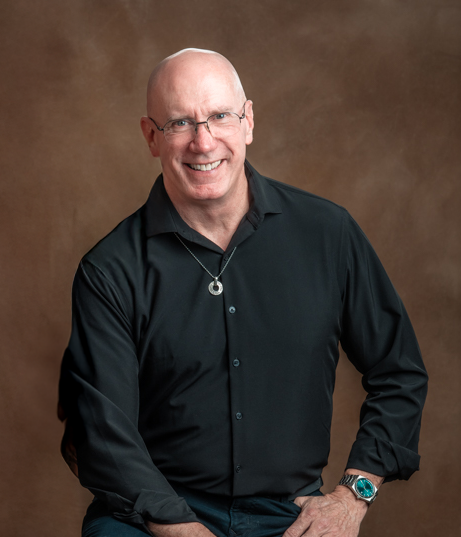
My name is John Cothron, an Army veteran of 20 years, working for the last 10 as a Licensed Mental Health Counselor (LMHC) with Healing Wounds Healthcare in Clermont, FL. My hope is this article will help more therapists connect better with veterans and establish a quicker rapport to benefit the therapeutic alliance.